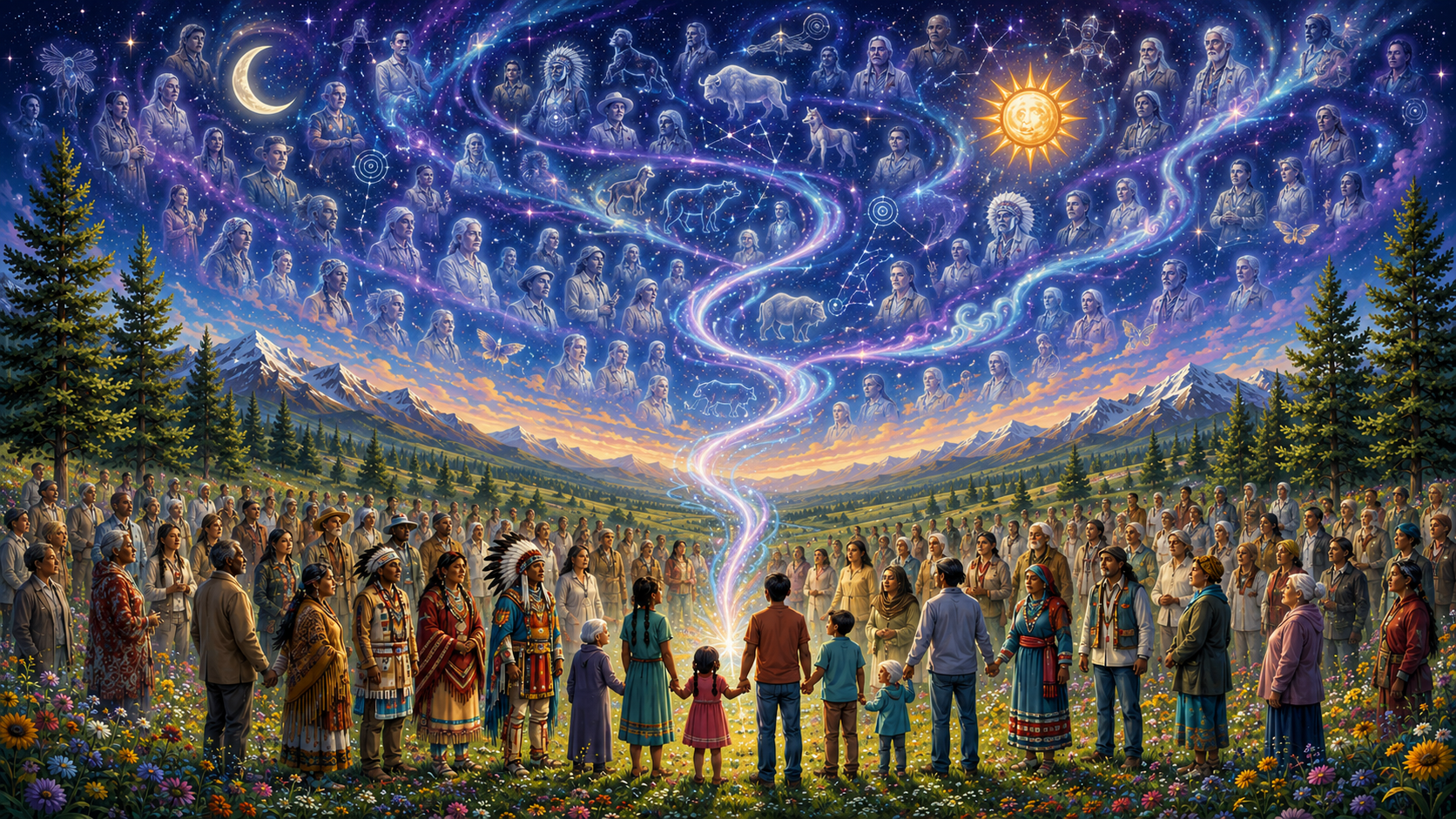
In a world filled with diverse cultures, beliefs, traditions, and lifestyles, social differences are a natural part of human society. Every community is made up of individuals with unique backgrounds, experiences, and perspectives. While diversity enriches our lives and broadens our understanding of the world, differences can sometimes create barriers that lead to misunderstanding, prejudice, and division.
Throughout history, societies have faced challenges arising from differences in race, religion, language, economic status, political beliefs, and cultural identity. Yet time and time again, humanity has demonstrated that unity has the power to overcome these barriers. When people choose cooperation over conflict and understanding over judgment, communities become stronger, more resilient, and better prepared to face shared challenges.
Today, in an increasingly interconnected world, the importance of social unity has never been greater. By embracing our differences while focusing on our shared humanity, we can build bridges that connect people and create a more inclusive and harmonious society.
Understanding Social Differences
Social differences are the characteristics that distinguish individuals and groups from one another. These differences may include:
- Cultural backgrounds
- Religious beliefs
- Languages
- Ethnic identities
- Economic circumstances
- Educational levels
- Political viewpoints
- Generational perspectives
These distinctions contribute to the richness and diversity of society. They influence how people think, communicate, celebrate traditions, and solve problems.
However, problems arise when differences are viewed as reasons for separation rather than opportunities for learning. Misunderstandings, stereotypes, and assumptions can create unnecessary divisions that prevent people from working together effectively.
The challenge is not the existence of differences themselves but how society responds to them.
The Barriers That Divide Communities
Many social barriers develop gradually through misconceptions, fear, or lack of interaction between different groups.
Cultural Misunderstandings
People often feel most comfortable with those who share similar traditions and values. Without meaningful interaction, misconceptions about other cultures can develop, leading to prejudice and exclusion.
Economic Inequality
Differences in wealth and opportunity can create social divisions. Individuals from different economic backgrounds may experience unequal access to education, healthcare, and employment opportunities, making it difficult to build mutual understanding.
Religious Differences
Religion provides guidance, identity, and community for billions of people worldwide. While religious diversity can enrich society, misunderstandings and intolerance can sometimes create tension between groups.
Political Polarization
Political disagreements have become increasingly visible in modern society. When political identity overshadows mutual respect, constructive dialogue becomes difficult and communities become fragmented.
Social Stereotypes
Stereotypes reduce individuals to oversimplified assumptions based on race, gender, nationality, or social status. These assumptions often prevent genuine understanding and meaningful relationships.
Each of these barriers can weaken trust and cooperation. However, they are not impossible to overcome.
The Power of Unity
Unity does not require everyone to think alike, believe the same things, or abandon their identities. True unity recognizes and respects differences while encouraging collaboration toward common goals.
A united society understands that diversity is not a weakness but a strength. Different perspectives often lead to better ideas, innovative solutions, and stronger communities.
Unity creates an environment where people can:
- Respect one another’s differences.
- Work together despite disagreements.
- Support shared community goals.
- Build trust and mutual understanding.
- Create opportunities for everyone to succeed.
When unity becomes a priority, barriers that once seemed impossible to overcome begin to lose their power.
Why Unity Is Essential in Today’s World
The challenges facing modern society are increasingly complex and interconnected. Issues such as climate change, economic instability, public health crises, and social inequality affect people across cultural and national boundaries.
No single group can solve these challenges alone.
Communities that embrace unity are often better equipped to:
- Respond to emergencies.
- Support vulnerable populations.
- Foster innovation and creativity.
- Promote social stability.
- Encourage sustainable development.
In times of crisis, differences often become less important than shared goals. Natural disasters, humanitarian efforts, and community initiatives frequently demonstrate how people can come together regardless of background when faced with common challenges.
These moments remind us that cooperation is often more powerful than division.
Building Bridges Through Understanding
One of the most effective ways to overcome social differences is through understanding.
Understanding begins with listening. Rather than making assumptions about others, we can take the time to learn about their experiences, beliefs, and perspectives. Meaningful conversations help break down misconceptions and reveal the common values that often exist beneath surface-level differences.
Education also plays a vital role. Learning about different cultures, histories, and traditions helps people develop empathy and appreciation for diversity.
When individuals understand one another better, fear and prejudice often give way to respect and cooperation.
The Role of Empathy
Empathy is the ability to understand and share the feelings of another person. It allows people to see situations from perspectives different from their own.
Empathy is a powerful force for unity because it encourages compassion rather than judgment.
When people practice empathy:
- Conflicts become easier to resolve.
- Relationships become stronger.
- Communities become more inclusive.
- Social divisions begin to diminish.
Empathy reminds us that behind every label, opinion, or identity is a human being with hopes, challenges, and aspirations similar to our own.
How Technology Can Promote Unity
The digital age has connected people across continents in ways that previous generations could never imagine. Technology provides opportunities to learn from diverse voices, participate in global discussions, and collaborate on shared initiatives.
Social media, online communities, and digital platforms can help:
- Increase cultural awareness.
- Promote educational content.
- Connect people with shared interests.
- Support charitable causes.
- Encourage international collaboration.
While technology can sometimes contribute to division, it can also serve as a powerful tool for building understanding when used responsibly.
The key lies in promoting respectful dialogue and focusing on connection rather than conflict.
Practical Ways to Promote Social Unity
Creating a more united society requires effort from individuals, communities, organizations, and leaders.
Practice Respectful Communication
Disagreements are a natural part of life. Respectful communication allows people to express differing opinions without hostility.
Challenge Stereotypes
Question assumptions and seek accurate information about people from different backgrounds.
Celebrate Diversity
Participate in cultural events, learn about different traditions, and appreciate the contributions of diverse communities.
Volunteer and Serve Others
Community service brings people together around shared goals and creates opportunities for meaningful interaction.
Encourage Inclusive Environments
Whether at school, work, or within local communities, creating spaces where everyone feels valued strengthens social bonds.
Focus on Common Goals
People often discover their similarities when working together toward a shared objective. Community improvement projects, educational initiatives, and charitable programs can unite individuals from diverse backgrounds.
Real Strength Comes From Inclusion
Some people mistakenly believe that unity requires uniformity. In reality, the strongest societies are often those that embrace diversity while maintaining a shared commitment to mutual respect and cooperation.
Inclusion allows individuals to contribute their unique talents, ideas, and experiences. This diversity of thought strengthens decision-making, encourages innovation, and creates more balanced communities.
When people feel respected and included, they are more likely to participate actively in society and contribute positively to their communities.
Looking Toward a More United Future
The future of society depends not on eliminating differences but on learning how to live and work together despite them.
Every generation faces the choice between division and unity. While differences will always exist, they do not have to become barriers. Through empathy, understanding, education, and cooperation, communities can build stronger connections and create opportunities for everyone.
A more united future begins with everyday actions—listening with respect, helping others, challenging prejudice, and recognizing our shared humanity.
These small efforts, repeated across communities and generations, have the power to transform society.
Conclusion
Social differences are an inevitable and valuable part of human life. They enrich our communities, broaden our perspectives, and contribute to the diversity that makes society vibrant and dynamic. However, when misunderstandings and prejudice create barriers, progress becomes more difficult.
Unity offers a path forward. By embracing empathy, fostering understanding, and focusing on common goals, individuals and communities can overcome social differences and build stronger relationships. A united society is not one where everyone is the same; it is one where people respect one another’s differences while working together for the common good.
As we navigate the challenges of the modern world, unity remains one of humanity’s greatest strengths. By breaking barriers and building bridges, we can create a future defined not by division, but by cooperation, inclusion, and shared progress.

Responses