From Assimilation to Awakening: Why I Stand for our Relations
My Roots: The Twinkle in the Elders’ Eyes
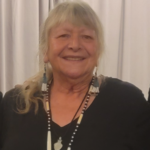
I grew up surrounded by elders. As a child, I was always fascinated by them—by the undeniable twinkle in their eyes, their presence, and the weight of their stories. Their lives were a tapestry of deep struggles and profound accomplishments. I looked up to them with a fierce respect, knowing they would protect me, and promising that I would protect them the best way I could.
But as I grew older, I began to understand the depth of the trauma they carried, stretching back through the dark history of the forced boarding schools. It was a weapon designed to strip our children of their voices, cut their hair, outlaw their languages, and violently erase their traditions. Yet, the assimilation didn’t stop at the school gates. In the 1950s, the oppression took a new, calculated form: The Indian Relocation Act.
The False Promise: The 1950s Relocation Trap
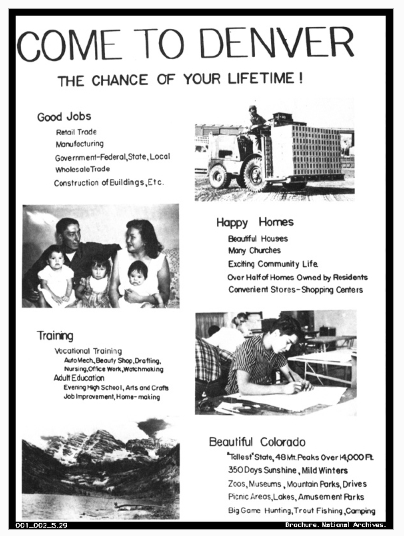
In the 1950s, the U.S. government implemented the Voluntary Relocation Program to dissolve reservations, shatter tribal sovereignty, and force Native Americans into major metropolitan hubs like Los Angeles, Chicago, Minneapolis, Dallas, Cleveland, and Denver. Government agents flooded our communities, visiting businesses, churches, and homes, hanging posters promising vast opportunities, housing, education, good jobs, and modern happiness.
Many of our relatives saw through the lies and chose to stay on the reservations, no matter how harsh the conditions became. But many others—including my grandparents and their two young daughters, my mother and my aunt—felt forced to leave out of survival and fear. The elders whispered of horrific realities happening back home: the forced sterilization of young tribal women, systemic hysterectomies, and the total crushing of our freedom.
With heavy hearts but hopeful spirits, my family took the government’s one-way ticket and small stipend, expecting to find a thriving, supportive urban tribal community in Denver. They were horrified by what they actually found.
Isolated on Concrete: The Reality of Denver’s Skid Row
The government’s promises were betrayal. There was no vast community waiting for them. Instead, the Bureau of Indian Affairs immediately separated tribal families, scattering them far away from each other across massive cities and unfamiliar suburbs to ensure they could not organize.
The promised housing was nothing more than cramped, tiny duplexes and bleak apartments, and the education was a hollow joke. Families were left entirely alone, isolated in a concrete world. But they underestimated the resilience of the Lakota spirit. Armed only with bus passes, our people began traveling through the foreign city, searching for one another.
They made their way downtown to what was then known as Denver’s Skid Row. Our people started meeting in the alleys, bringing out their drums and lifting their voices in song. Little by little, through the concrete and the shadows, the people reconnected, exchanged phone numbers, and rebuilt their fractured bonds.
The Scars of Forced Blending and My Awakening
The trauma of that displacement rippled through generations.. Many young tribal women found themselves navigating a white world alone. Some men married them under the false, greedy assumption that these women held oil rights to drilled tribal lands. That was the reality of how my own father met my mother on a construction site. My grandpa, terrified of his daughter falling into the hands of a dishonorable man in a dangerous city, begged my father to marry her because he trusted him. My grandparents passed away in poverty, and families were torn apart
My mother adapted to this new world, falling in love with high society, ballrooms, and makeup. Over time, it seemed she forgot the traditional ways and the people back home. Some relatives succeeded in blending into the white world completely, and today, many mixed-blood descendants want nothing to do with their native heritage.
But the blood remembers.
When I was just 13 years old, unable to bear the family lies and disconnection any longer, I ran away from home. Guided by something deeper than myself, I made my way back to the homelands and reunited with my family on our ancestral soil. Looking into the eyes of my relatives, I made a sacred promise to them and to the ancestors: I would be an advocate for justice. I have spent my entire life honoring that vow—marching on the streets, standing on the frontlines for our relatives, and fighting fiercely for the protection and future of our children.
 The Whirlwind of Resistance: An Unbroken Timeline
The assimilation era was not a “social program”—it was systemic genocide. But the architects of that policy deeply underestimated the fire in our blood. From the streets to the courts, our people and their supporters, the Protectors, fought back, forcing the empire to retreat, rewrite its laws, and recognize our sovereignty.
-
- 1924 • The Indian Citizenship Act: Congress officially grants citizenship to all Native Americans born in the U.S., but individual states quickly weaponize legal loopholes—like “guardianship” status—to systematically deny Native people their right to vote.
-
- 1948 • The Battle for the Ballot: Native veterans returning from World War II refuse to accept second-class status. They win landmark lawsuits (Harrison v. Laveen in AZ; Trujillo v. Garley in NM), legally forcing states to grant them access to the ballot box. (Utah remains the ultimate holdout until 1957).
-
- 1950s • Forced Assimilation & Urban Relocation: The Bureau of Indian Affairs (BIA) launches an aggressive campaign to dissolve reservations, destroy sovereignty, and scatter families across major metropolitan hubs like Denver.
-
- 1965 • The Voting Rights Act: Sweeping federal legislation finally outlaws discriminatory voting barriers (like literacy tests), creating a vital legal shield for Native voters across Indian Country.
-
- 1969–1971 • The Occupation of Alcatraz: A courageous group calling themselves “Indians of All Tribes” occupies the abandoned prison island in San Francisco. This historic stand sparks the global Red Power movement and ultimately forces the U.S. to abandon its brutal “Termination Policy.”
-
- 1970s • The First March Powwows: In displaced urban hubs like Denver, the cultural flame refuses to die. Though the bleachers sit completely empty, we dance alone in the arena, rebuilding broken tribal connections through the smoke.
-
- 1972 • The Trail of Broken Treaties: The American Indian Movement (AIM) and thousands of cross-country supporters march on Washington, D.C. They occupy the BIA Headquarters, presenting a 20-Point Position paper demanding the restoration of treaty-making and tribal sovereignty.
-
- 1973 • The Occupation of Wounded Knee: AIM leaders and traditional civil rights protectors stand off against heavily armed federal forces for 71 days on sacred Lakota ground, forcing global eyes to witness the ongoing siege on our people.
-
- 1978 • The Longest Walk & Religious Freedom: A massive 3,200-mile spiritual walk from San Francisco to Washington, D.C., successfully defeats 11 anti-Indian bills in Congress. The momentum wins the passage of the American Indian Religious Freedom Act, finally making it legal for us to practice our traditional ceremonies without fear of arrest.
-
- 1978 • The Indian Child Welfare Act (ICWA): Grassroots advocates successfully halt the state-sanctioned kidnapping and mass adoption of tribal children to non-Native families. The law legally mandates that our children be kept home with their families and traditions.
-
- TODAY • Rosebud Sioux Tribe Reclaims the Bands: Defying the colonizer’s strict, mathematical concepts of “blood quantum,” the Rosebud Sioux Tribe led by the elder grandmas, shifts to enrolling three lines of descendants. They set the modern standard for bringing all our scattered children back home.
I look at this history, I look at our timeline, and I look at how vast and large our gatherings have become today. I remember the empty bleachers of those first Denver March Powwows, and now I see them packed to capacity. I smile at the horizon and say to the architects of assimilation: “You did not win your battle for the erasure of our people.”
The Whirlwind Awakening: Why WAM Exists
The Whirlwind Action Movement (WAM) was born from a vision I received. I am the original founder, a dedicated advocate and member of the Očhéthi Šakówiŋ (The Seven Council Fires, colonized as the Great Sioux Nation). That vision was solidified through ancestral wisdom and the physical appearance of whirlwinds crossing my paths at pivotal moments.
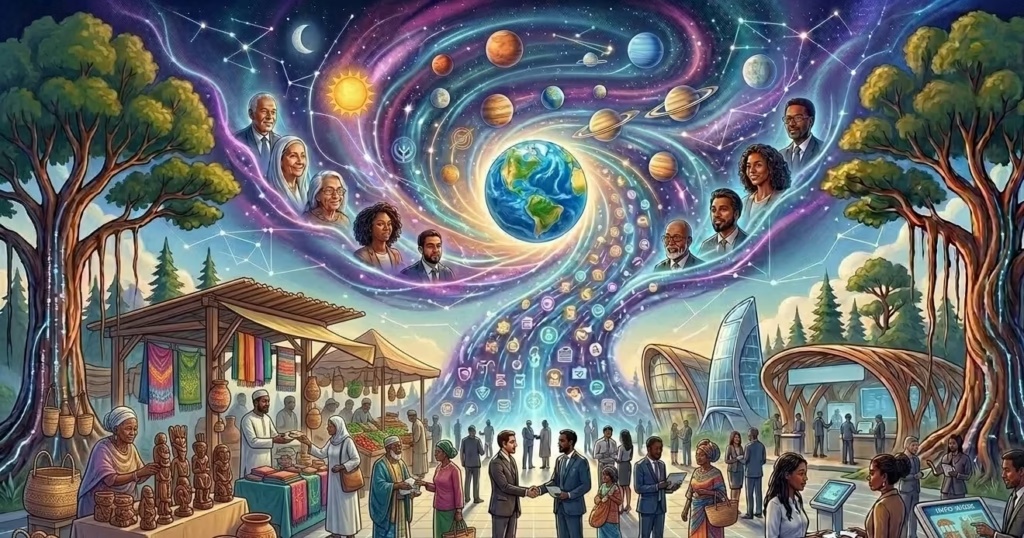
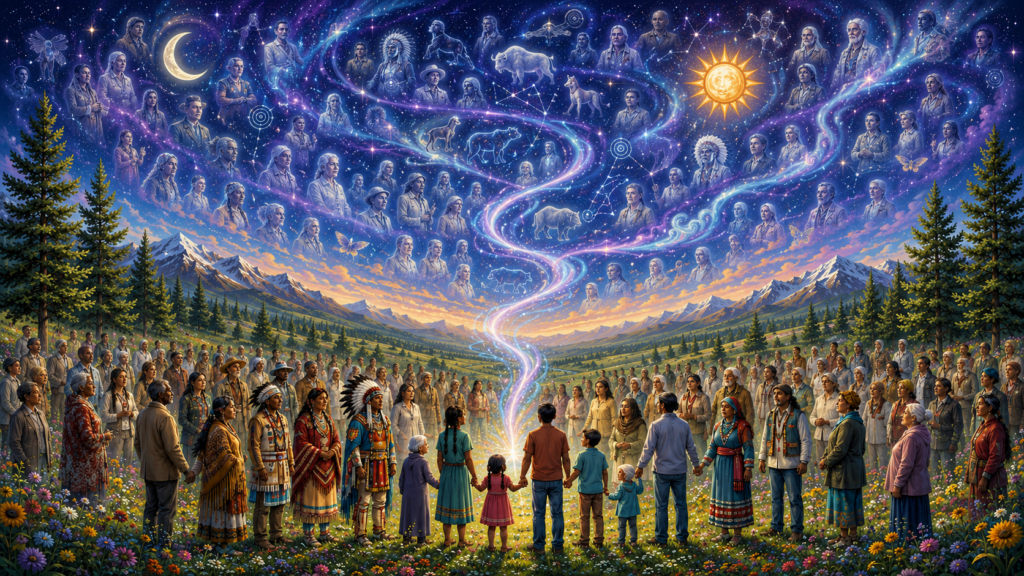
Across almost every ancient tradition, the whirlwind is a sacred force. It is the breath of truth, cleansing, justice, and divine movement. It represents a powerful change that rises from a small, quiet beginning but gains unstoppable momentum as more people join the spiral.
We are living in a digital age where truth is twisted, corporate platforms oppress and mine our spirits for profit, and people are intentionally divided against each other. It’s like everyone is living on a big reservation. But a whirlwind is rising. Grounded in Lakota virtues and the eternal truth of Mitákuye Oyás’iŋ—All My Relations—we recognize that everything we do is on behalf of the people, the land, the waters, the animals, the ancestors, and the future generations. We stand for dignity. We stand for user-verified truth. We stand for solutions.
This is the heart of who we are. This is the foundation of why we stand.
Join us at www.whirlwindaction.com and become part of the movement to turn the world back toward what is right.

Responses